
This post is sponsored by HCA HealthONE.
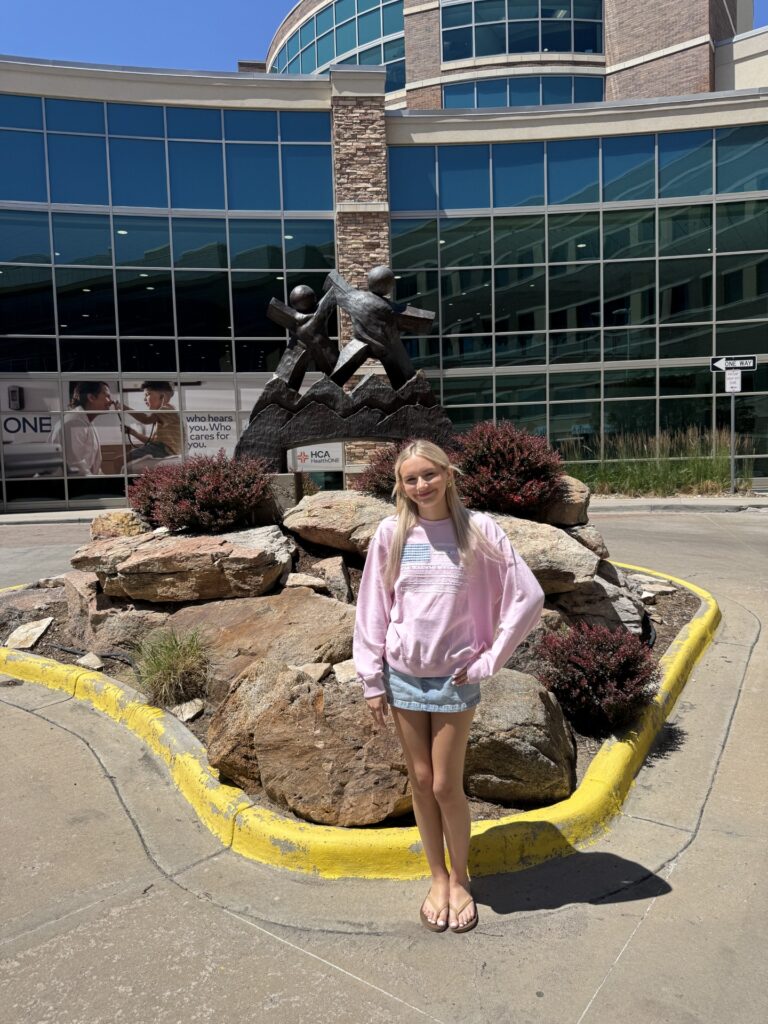
Ava’s scoliosis journey began like it does for so many families: at a routine well‑child check. She was about 10 when her pediatrician noticed a small curve — around 10 degrees. We were told to “watch and wait,” so we did. We kept up with imaging, we followed the plan and we hoped the curve would behave.
The Brace Years
As Ava grew, so did the curve. She was fitted for her first brace, and over the years we tried several. Ava was so diligent — truly a rule follower, yet the curve kept marching on. I threw myself into research and every conservative option I could find: physical therapy, chiropractic care and specialized scoliosis rehab. We spent so much time, money and energy trying to stay ahead of the curve. Still, the numbers crept up and the pain crept in.
The Day “Fusion” Entered the Chat
By 2023, Ava was nearing skeletal maturity and her doctor recommended stopping bracing. In early 2024, we heard the words I’d been dreading: spinal fusion. My heart sank. Ava has loved dance since she was five — by then she was competing and had made her high school dance team. The idea of losing flexibility and range of motion felt devastating, not just for dance but for her future comfort and confidence.
Finding Hope in an Unexpected Place
In my late-night internet searches, I joined a Facebook scoliosis support group. It quickly became our lifeline. Parents and patients from all over the country shared what worked, what didn’t and how to keep going. That’s where I first learned about vertebral body tethering (VBT), a newer, motion‑preserving procedure done by a small number of specialists. In simple terms, VBT uses small screws and a flexible cord (“tether”) along the outside of the curve to help guide the spine straighter over time while preserving movement.
One name kept coming up in my research: Dr. Jaren Riley, a board-certified, fellowship-trained pediatric orthopedic surgeon at HCA HealthONE Rocky Mountain Children’s in Denver. He has a special interest in pediatric spine and scoliosis treatments. Despite the distance, I knew we had to talk to him.
Meeting Dr. Riley
We started with a Zoom consultation. I immediately felt seen and guided. Dr. Riley is calm, kind and so thorough – he answered every question and never rushed us. In October 2024, we flew to Denver to see if Ava was a candidate for VBT. Because she didn’t have much growth left, she needed to be able to bend to 30 degrees (about 50 percent of her curve) for the surgery to make sense. After a careful evaluation, he said yes, Ava could do it.
The Hard Part No One Sees: Waiting, Pain and Insurance
Getting to surgery wasn’t easy. Insurance pushed back and meanwhile Ava was in daily pain — some days just getting through school was a win. We appealed, advocated and kept going. I knew this surgery could preserve her flexibility, reduce her pain and let her keep doing what she loves.
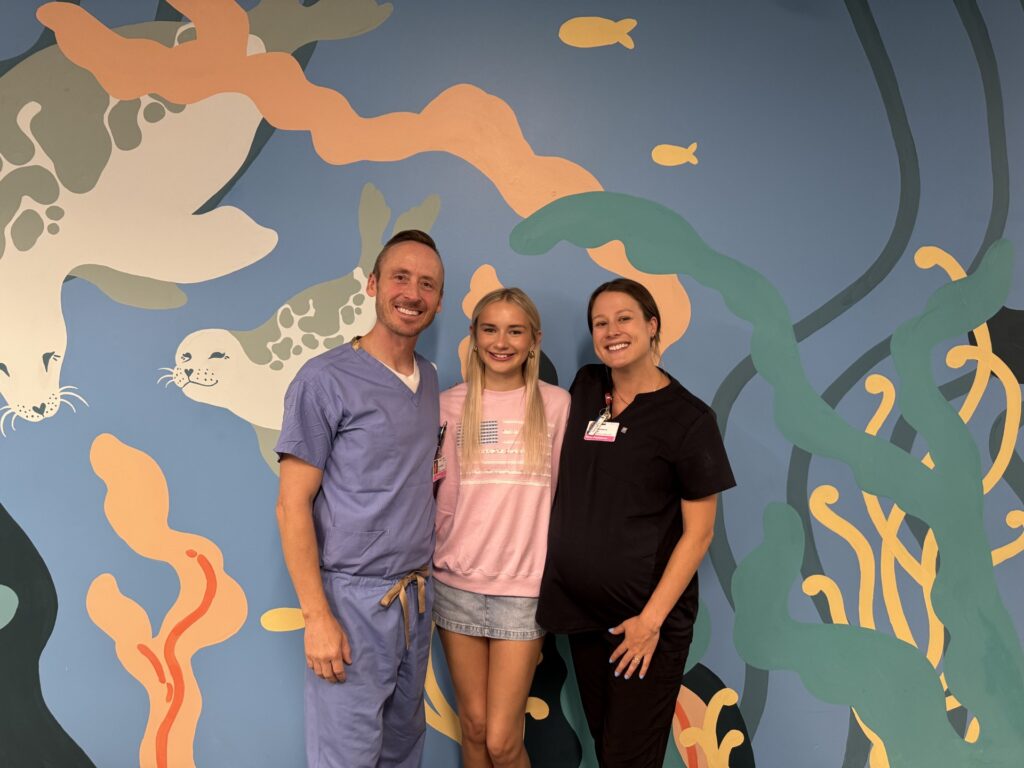
Surgery Day and a Deep Exhale
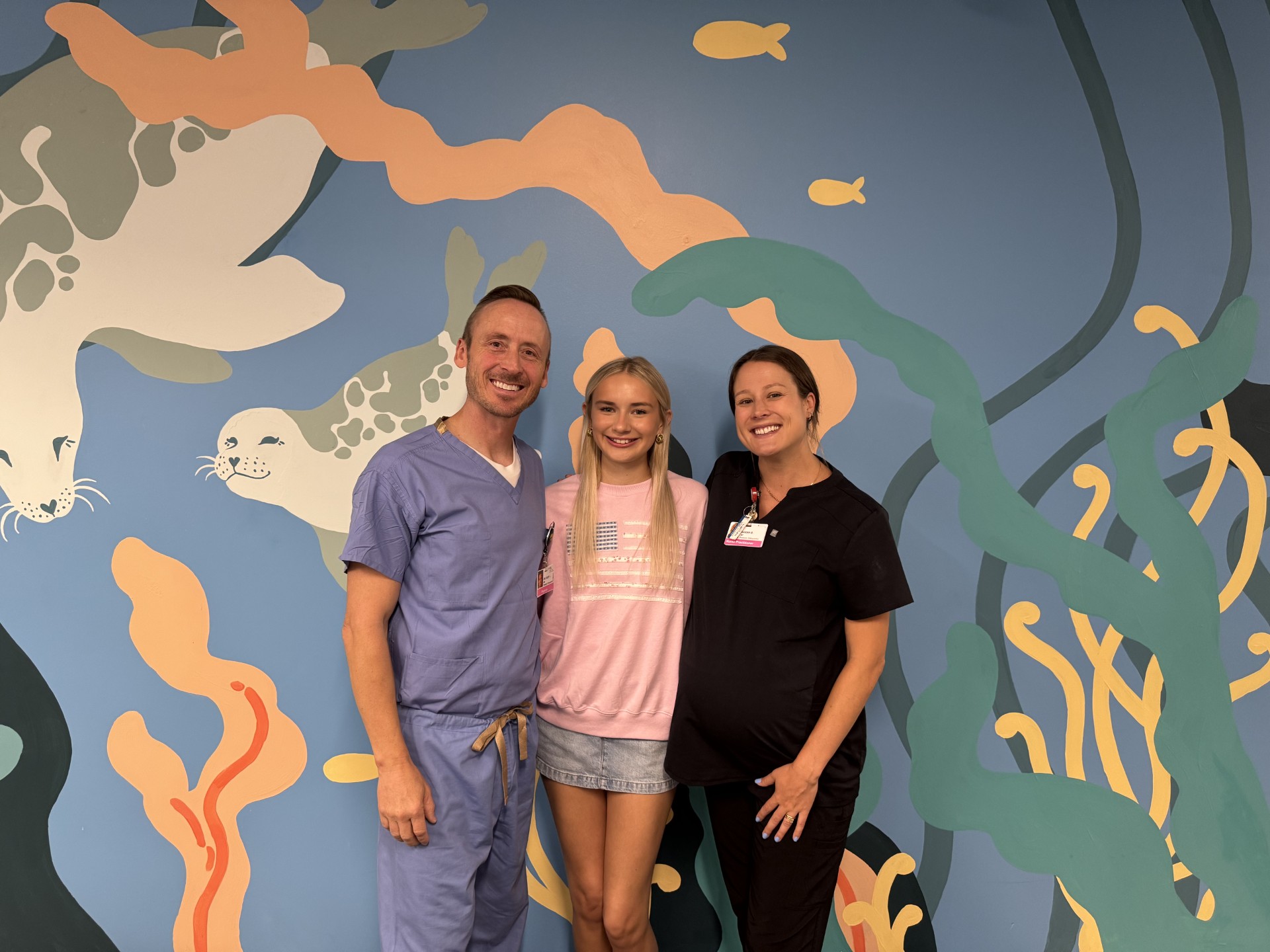
Just after her 16th birthday, in April 2025, Ava had VBT. At its worst, her curve had passed 50 degrees. After surgery, it measured under 30 degrees with room for continued improvement as she heals. When Dr. Riley came to talk to me afterward, he said he knew how hard I’d fought for Ava and how badly she wanted this, so he worked extra hard to give her the best possible outcome. I’ll never forget that. His nurse practitioner, Sarah, and the entire team were incredible with follow‑up and genuine care.
Where We Are Now
Ava is back to dancing — this time without that constant, grinding discomfort. We’re realistic and grateful all at once. VBT isn’t for everyone, but for Ava, it meant relief and preserved motion. Watching her move with joy again feels like getting my kid back.
For Fellow Moms Walking this Road
Your research matters. Don’t be afraid to dig in, ask questions and get second opinions.
Community is everything. Our Facebook group became a second family – real‑life wisdom, encouragement and direction.
- Know your options. Fusion can be right for some; for others, motion‑preserving paths like VBT may be worth exploring with an experienced specialist. Dr. Riley has deep experience with both, and can guide the pros and cons.
- Advocate without apology. Insurance hurdles are exhausting, but your persistence can change the outcome.
- Protect the joy. For Ava, that joy is dancing. For your child, it might be sports, music or simply pain‑free play. Keep that front and center.
It’s a community none of us ever wished to join, but the support and friendships we have found are true silver lining. We’re deeply grateful for the guidance that found us online, for Dr. Riley and his team at HCA HealthONE Rocky Mountain Children’s in Denver and for the chance to watch my daughter do what she loves with a freer, happier spine.
Libuska, is mom to Ava and lives in California.